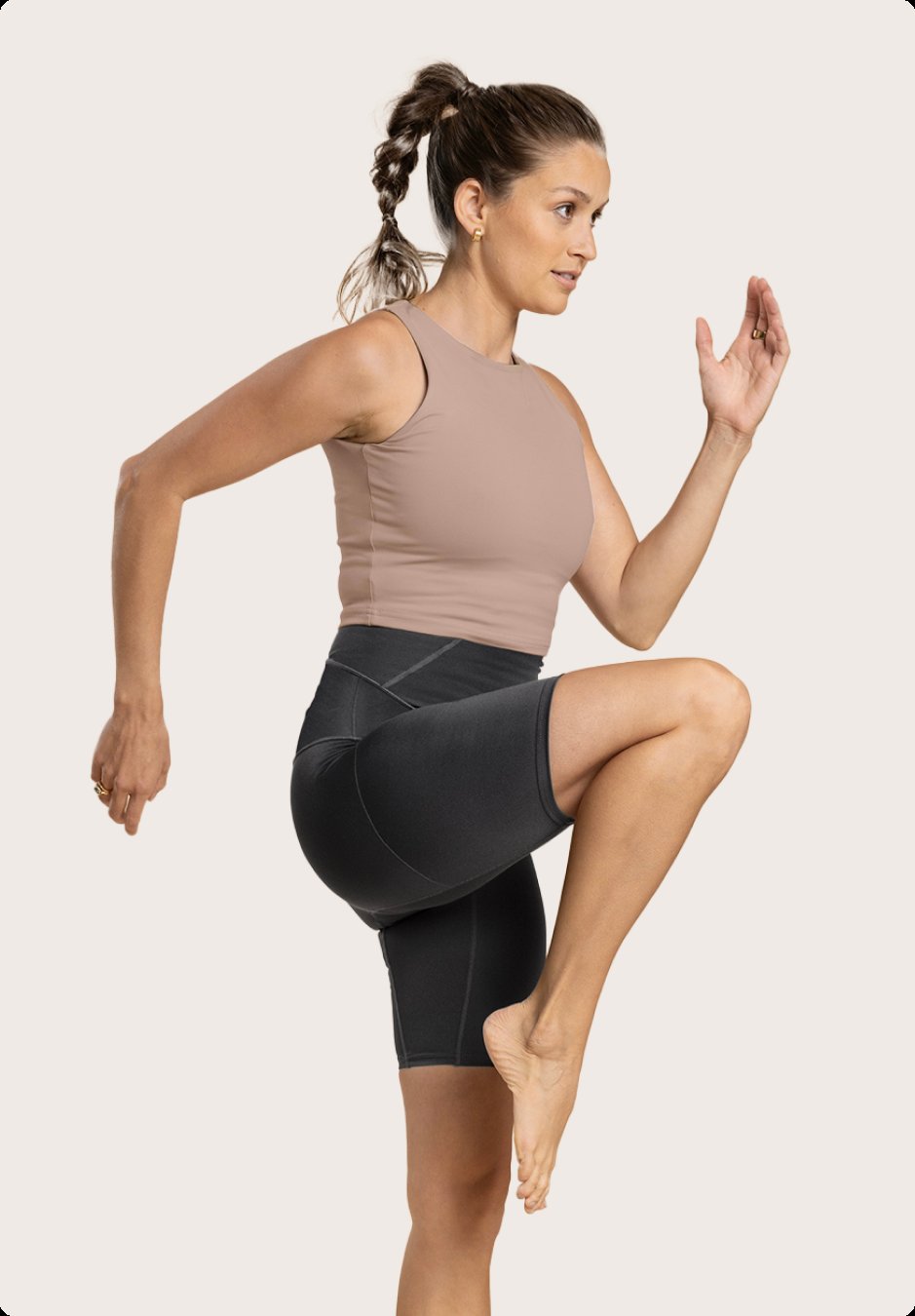
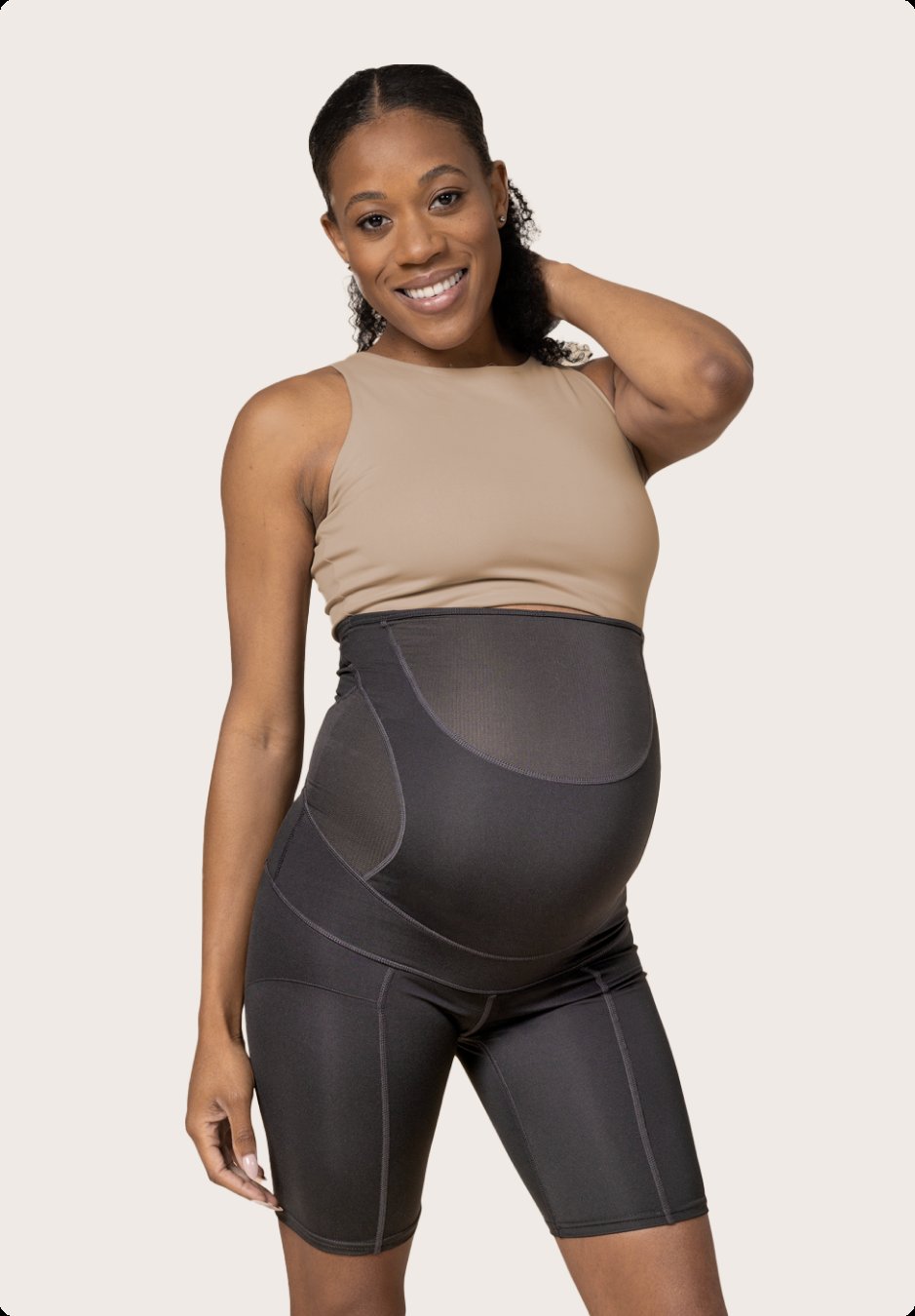
Pelvic heaviness, pressure or a dragging feeling can make everyday movement feel harder than it should. When walking, working, caring for children or simply standing for a while feels uncomfortable, extra support can make a meaningful difference to how you move through the day.
At Everform, we see compression therapywear as one practical part of a wider pelvic health plan. Alongside guidance from your GP, pelvic health physiotherapist or specialist, prolapse compression shorts may help you feel more comfortable and supported during daily life.
Feel More Supported Through Everyday Movement
Pelvic organ prolapse can affect women at many different life stages. Some women notice symptoms after pregnancy or during postpartum recovery, while others experience changes through perimenopause or menopause. Every body is different, and symptoms can shift depending on the day, your activity level and your individual health needs.
Our physio-designed FemmeCore™ garments are made to provide non-surgical external support for the pelvis and core. Rather than trying to “hold everything in” with harsh compression, the aim is comfortable support that works with your body as you move, rest and get on with life.
For many women, adding supportive shorts to their routine can feel helpful during activities such as:
- Walking, errands and school drop-offs
- Long days at work or on your feet
- Gentle exercise and household tasks
- Carrying children, bags or groceries
- Resting at home in comfortable layers
Compression therapywear is not a replacement for individual medical care. We recommend speaking with a qualified health professional if you have concerns about prolapse, pelvic floor symptoms or changes in how your body feels.
What Prolapse Symptoms Can Feel Like Day to Day
Prolapse symptoms do not look or feel the same for everyone. Some women may notice a mild sense of pressure now and then, while others may find symptoms more noticeable after activity or at the end of a long day.
Common experiences can include pelvic heaviness, a feeling of pressure or dragging, lower back discomfort, bladder leakage or a sensation of a vaginal bulge. You may also feel less comfortable after prolonged standing, walking or lifting. These feelings can be frustrating, especially when they show up during ordinary moments that you would rather not have to think twice about.
A commute, a busy afternoon with children, a gardening session or a gym class may all place different demands on your body. Even folding laundry or cooking dinner can feel tiring when pelvic discomfort is present. That does not mean you need to stop doing the things you enjoy, but it may mean you need more thoughtful support around them.
Prolapse compression shorts may help you feel more supported during activity and may reduce the feeling of heaviness for some wearers. They do not diagnose, treat or cure prolapse. New, worsening or concerning symptoms deserve personalised assessment from a GP, pelvic health physiotherapist or relevant specialist.
How Prolapse Compression Shorts Deliver Gentle Support
Prolapse compression shorts are different from standard shapewear, fashion leggings or general activewear. Shapewear is often designed around appearance and firm body contouring. Pelvic health support garments are designed with comfort and targeted support in mind.
With medical-grade compression placed around the pelvis, lower abdomen and core, supportive shorts can provide a gentle feeling of external hold. The goal should never be painful squeezing or feeling unable to breathe comfortably. Instead, well-designed support can feel like an added layer of reassurance when your body needs it.
Our FemmeCore™ technology takes a physio-designed approach to external pelvic and core support. Strategic panel placement helps direct compression where support may be most welcome, while breathable fabric and comfortable waistbands are designed for longer wear.
Details matter when you are wearing a garment through work, exercise or family life. Helpful features can include:
- Supportive panels through the pelvic and lower abdominal area
- Breathable, flexible fabric that moves with you
- Waistbands designed to stay comfortable rather than dig in
- Smooth finishes that sit discreetly under everyday clothing
The right garment should help you feel supported, not restricted or distracted by what you are wearing.
Choosing Prolapse Compression Shorts That Fit Your Life
Fit comes first when choosing prolapse compression shorts. A supportive pair should feel secure without rolling down, pinching around the legs or creating pressure in the abdomen or pelvic area. Sizing down for “extra support” is rarely the answer. A garment that is too tight can be uncomfortable and may make it harder to wear consistently.
We recommend using our sizing guidance carefully and choosing the size that matches your measurements. Give yourself time to notice how the shorts feel when you sit, stand, walk and bend. Support should feel steady, not strained.
Fabric and finish also shape your day-to-day experience. If you plan to wear shorts beneath workwear, dresses or activewear, consider breathability, moisture management, stretch and seamless edges. Easy-care fabric can also make regular wear feel simpler, especially during postpartum recovery or a busy season of life.
Your routine matters just as much as the garment itself. You may prefer one style for gentle walks and errands, while another may suit long workdays or light exercise. Choosing support that fits naturally into your wardrobe can make it easier to wear when you want it.
Wearing Compression Support Comfortably in Spring
Spring often brings a welcome lift in activity. Warmer days can mean more walks, family outings, travel, gardening and time outdoors. If prolapse symptoms tend to feel more noticeable when you are active or on your feet, reliable support can be a comforting addition to your usual routine.
Lighter clothing does not have to mean less support. Compression therapywear can sit discreetly beneath relaxed dresses, skirts, linen trousers, jeans and activewear. The key is choosing breathable layers that feel comfortable in changing spring weather.
A few simple habits can help make wear more comfortable:
- Follow the care instructions to maintain the garment’s feel and function
- Choose light, breathable outer layers on warm days
- Take breaks when your body asks for rest
- Change out of damp clothing after exercise
- Pay attention to any discomfort, numbness or increased symptoms
Comfort should guide every decision. If a garment causes pain, tingling, numbness or worsening pressure, stop wearing it and discuss those changes with a healthcare professional.
Build a Support Plan That Works for You
Prolapse support is never one-size-fits-all. A well-fitting support garment can be a useful daily tool, but it works best as part of a plan shaped around your symptoms, lifestyle and professional pelvic health guidance. Our FemmeCore™ range is designed to give you options for comfortable pelvic and core support in everyday life.
The most helpful next step is often listening to your body and seeking individual advice when symptoms are new, changing or affecting your quality of life. A pelvic health physiotherapist or healthcare provider can help you understand what support may suit your needs.
Feel More Supported In Your Day
At Everform, we create thoughtful options for comfort and gentle everyday support. Discover our prolapse compression shorts to find a fit that feels secure beneath the clothes you already love to wear. Our designs are made to help you move through daily routines with greater confidence and ease.